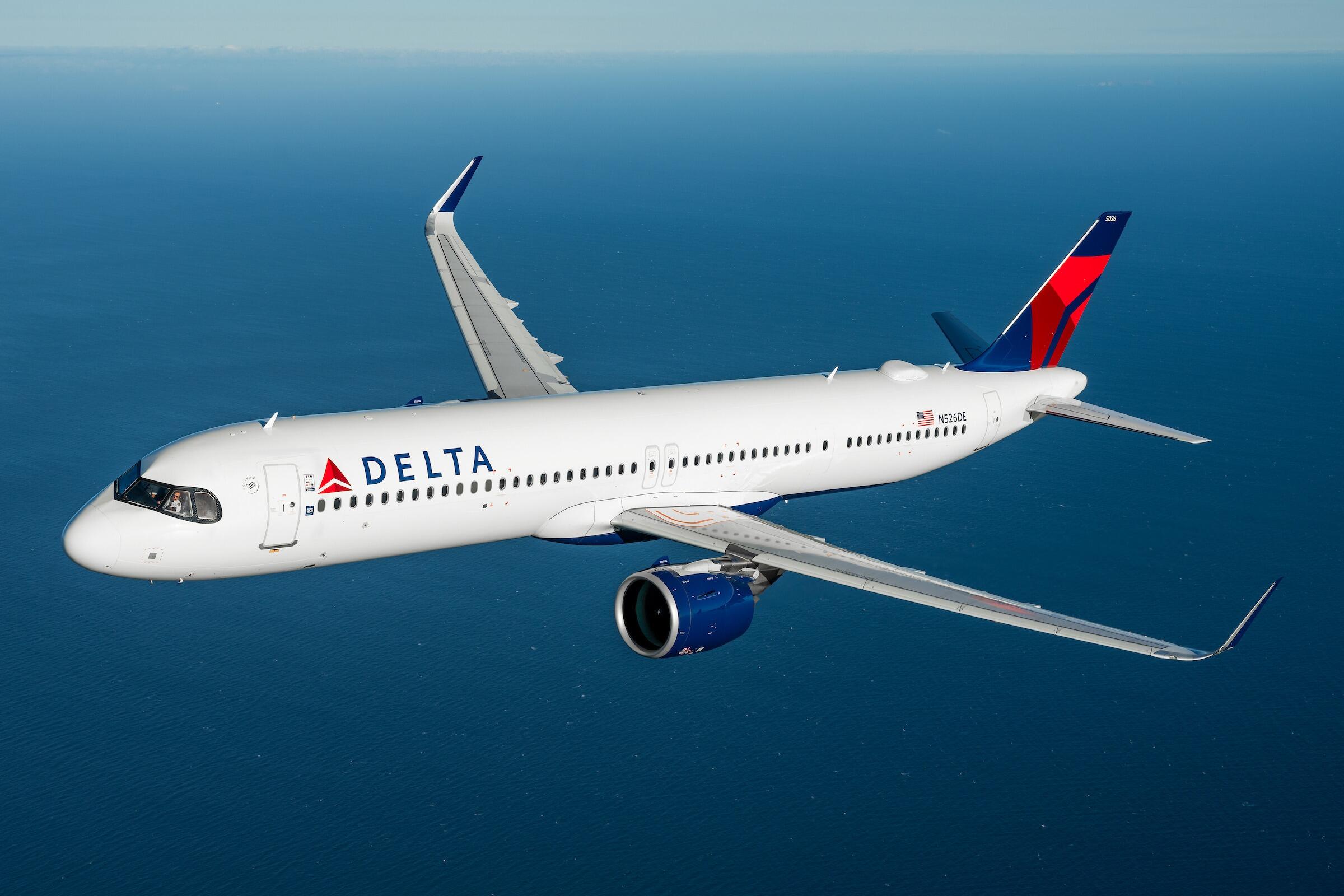
The North Atlantic has turned into aviation’s summer superhighway again. This year the traffic jam is back at full strength. United, Delta, American, British Airways and Virgin Atlantic are all running their biggest post‑pandemic widebody schedules, with Delta alone operating more than 650 weekly flights to nearly 30 European destinations and United adding new points like Split, Bari and Santiago de Compostela from Newark. For travellers, the effect is simple. On core trunk routes like New York–London and US East Coast-Western Europe, the seats you actually want especially in business class at sensible times are often gone weeks ahead, while newer secondary routes present a more patchy picture.
Take JFK-Heathrow, still the flagship transatlantic pairing. Public fare data from OTAs like KAYAK and Priceline shows business‑class fares for July departures spread across a broad spectrum. deep‑discount, advance‑purchase deals on less convenient flights can dip under $2,000 one way when sale inventory opens. but realistic mid‑summer midweek returns on major carriers are more often in the $4,200 to $8,000 range depending on booking class, flexibility and how close to departure you buy. Premium leisure travellers booking six to eight weeks ahead are paying around $4,500 to $6,000 for non‑refundable business on American, BA or Virgin, with fully flexible fares and day‑of‑departure availability pushing into the $7,000‑plus band, particularly on Friday and Sunday nights. Award hunters report that Virgin Atlantic has released relatively good Premium Economy and some business‑class award space JFK–LHR and out of other US cities, but even there, business seats at saver levels are thin in July, and surcharges on returns can push cash costs toward $1,000 even when you find space.
On the economy side, load factors on key US-Europe trunk routes are high but not universally “no seats left”. Cirium schedule and booking‑direction data suggests that overall transatlantic bookings for summer 2026 are actually slightly down versus last year, although the mix has shifted. Corporate demand is stronger, while some leisure travellers have pushed travel to shoulder months in response to higher fares and living‑cost pressures. That means outright sold‑out flights are concentrated on a familiar cluster of city pairs and days. Prime evening departures across the North Atlantic,JFK-LHR, Newark-Heathrow, Boston-Heathrow, Chicago-Heathrow, JFK-Charles de Gaulle and JFK–Amsterdam often show zero or near‑zero availability in lower economy fare buckets for the busiest July weekends Add in school holidays on both sides of the ocean and you get specific 'red' dates where both business and economy cabins are effectively sold out on flagship flights, pushing passengers into either very early or very late departures, or into connections via secondary hubs.
Where things get more interesting is on the new routes that have come online for summer 2026. Delta’s record schedule includes seven new transatlantic routes like Boston to Madrid and Nice, Seattle to Rome and Barcelona, and from New York JFK to Olbia in Sardinia, Porto in Portugal and Malta. United is adding Newark–Split, Newark–Bari, Newark–Santiago de Compostela and Washington Dulles Reykjavík on the Atlantic side, along with a new Newark Seoul link as part of its wider expansion. Air Transat is testing eight new routes from Montreal and Toronto into Europe and North Africa, while a broader tally counts around 37 new transatlantic routes launching in 2026, from Alaska Airlines’ Seattle Rome to Royal Air Maroc’s Los Angeles Casablanca and various leisure links into southern Europe.
The broader picture is a transatlantic market where supply has shifted upward more widebodies, more secondary routes, more weekly frequencies but where seat availability in the cabins that matter is still tight at the height of July.
The practical translation in July 2026 is a two‑tier experience. If you are flying one of the classic trunk links New York London, New York Paris, Boston London, Chicago London, Los Angeles London, Toronto London and you want a good‑time departure, you either book early or pay a steep late‑booking premium in both cabins, with business fares routinely in the $4,200–$8,000 band and economy fares well above winter levels. If you are willing to ride the wave of new routes to smaller cities or accept less convenient timings, you can still find seats and even some occasional deals, as airlines use those flights to anchor future network growth and test markets.