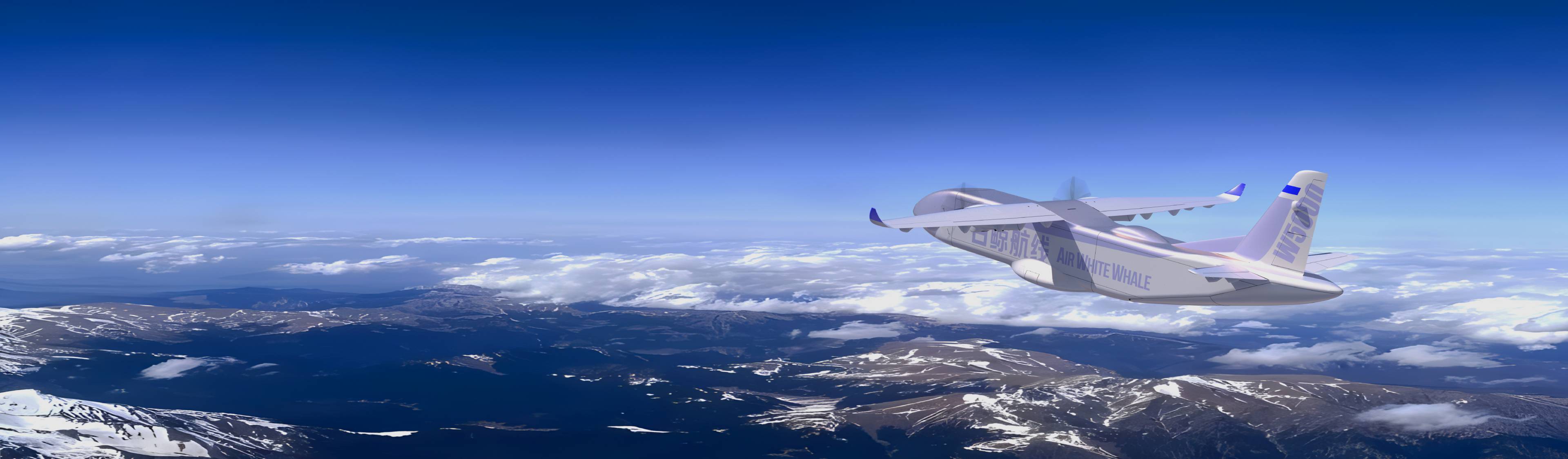
The W5000 left the runway at Otog Front Banner Airport in Inner Mongolia on 14 November 2026 with no pilots aboard. The uncrewed freighter accelerated for about 600 metres, climbed to 1,000 metres above the field and flew for roughly 30 minutes. It completed climbs, level flight, four turns, a descent and a landing. Air White Whale designed the test to check one specific link. The coordination between the aircraft’s propulsion, flight controls, avionics and the ground-based measurement and control system. Operators at the ground station watched the data link and the telemetry stream while the aircraft flew the planned profile. The company says the systems worked together as expected.
An uncrewed freighter still needs people on the ground. The ground team monitors position, system health and the integrity of the command-and-control link. They hold the authority to intervene if the aircraft departs from the approved path or if a system indication falls outside limits. The W5000 uses an autonomous flight mode plus ground monitoring. One ground crew can eventually watch more than one aircraft, but that model only works if the data link remains continuous and the operators can read the telemetry without delay. The 30-minute flight tested that the ground station received the aircraft’s reports and that the aircraft responded to the pre-loaded profile.
The same people who clear a crewed freighter for departure now clear an aircraft that has no window for a pilot to look out. They watch screens instead of instruments in a cockpit. The flight shows that the ground team can keep the aircraft inside its test envelope for half an hour. Longer missions and commercial operations will require the same team to manage multiple aircraft, weather changes and any interruption in the data link.