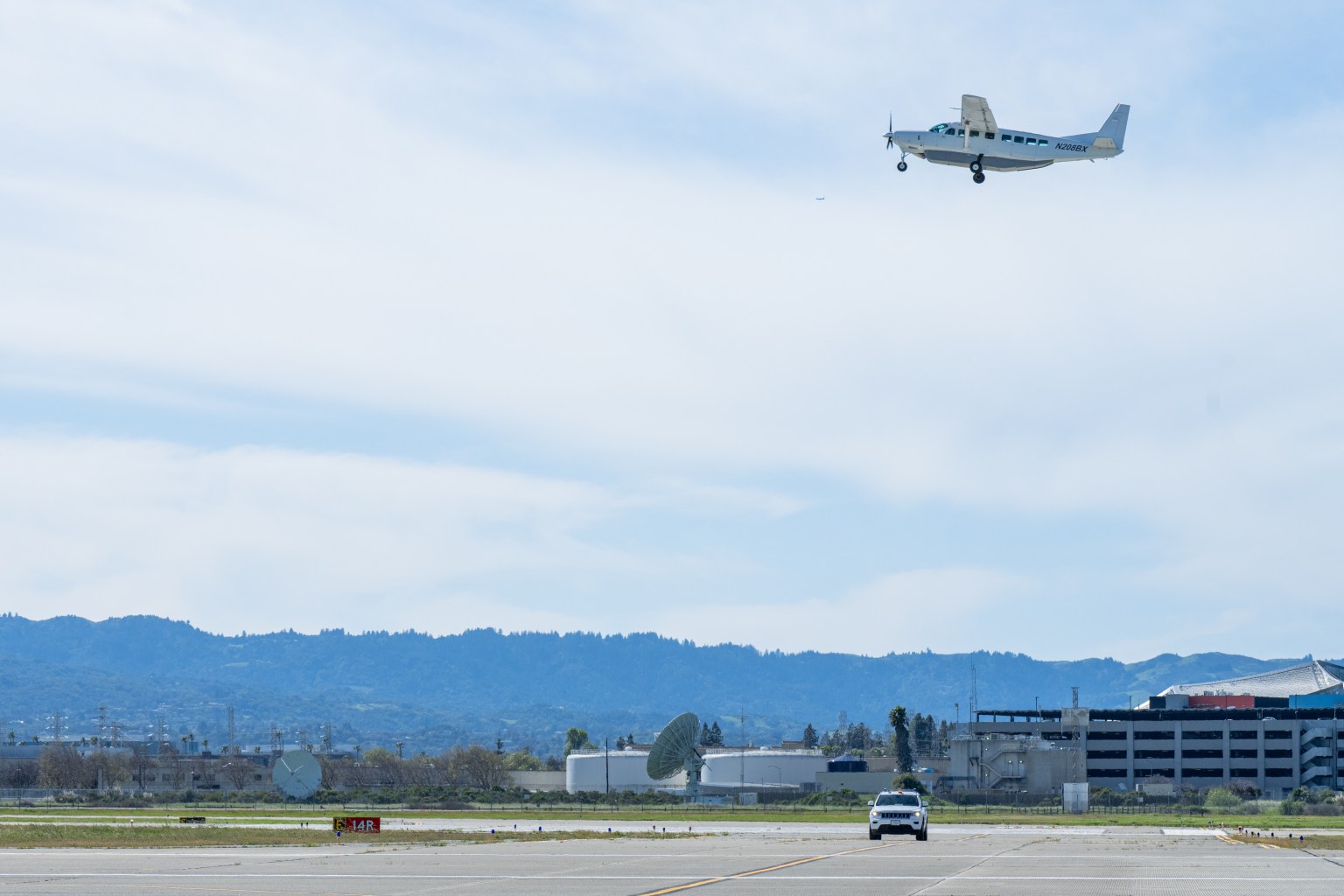
NASA said on 23 September that work with Boeing and the FAA on digital taxi guidance, runway-obstacle sensing and pre-departure rerouting has reached the point where the routing tools have been handed over for airline testing. At Ames in March, pilots received taxi routes on a cockpit display or tablet rather than by voice. Sensors watched for a vehicle, another aircraft or stray debris on the path. Separately, dispatchers and controllers were given a shared digital picture of flights still on the stand so a better route could be agreed without a radio chain. NASA has transferred that rerouting package to the FAA. Airlines are to keep trying it.
It is an attempt to cut the errors and minutes that accumulate after pushback and before the wheels leave the concrete. Taxi instructions spoken once, misheard, and read back under frequency congestion are a known source of wrong turns and incursions. A line on a screen does not abolish those risks. It changes where the mistake can occur: in the software, in the map, in whether the pilot still looks outside. Obstacle detection is useful only if the alert arrives before the aircraft is committed and if someone is still responsible for acting on it.
NASA’s Ames centre and Boeing have been testing three ground ideas that matter more to a hub than another city pair like digital taxi routes on a cockpit screen or tablet instead of a spoken clearance, sensors that watch the taxiway for a vehicle or another aircraft and the same sensors flagging an obstacle on the runway as an aeroplane approaches. In the digital-taxi trials the aircraft followed the line autonomously while researchers watched the sensor feed. NASA says that cut the chance of a misheard instruction and the load on the tower frequency. A separate test, preparing to land, picked up a vehicle on the runway. The next step is to put sensors and digital taxi into a simulated tower and see whether the whole airfield moves any faster.
Once airborne the problem changes shape. Weather, traffic and a small heading change still put aeroplanes in holds. In 2025 NASA flew real-time trajectory sharing with Boeing, United and foreign partners. A United 737 passed frequent position and intent data to the airline and to air-traffic control so arrival times could be predicted more tightly. Digital pre-departure rerouting that dispatchers and controllers looking at the same picture of flights still on the stand, has now been handed to the FAA. Airlines are to keep testing it. The claim is fewer last-minute radio bargains, less fuel in the queue, a more honest block time.
None of this is a new jet. Hubs add published flights faster than they add concrete. The scarce minutes are often on the taxiway and in the first twenty minutes of the departure sequence. A line on a tablet does not abolish a wrong turn; it moves the error into the map, the software and whether the pilot still looks outside. Obstacle alerts help only if they arrive before the aircraft is committed and if someone is still required to act.
Parimal Kopardekar, who runs NASA’s airspace-operations work, puts the aim as extra autonomy in an airspace that must hold more types of traffic at once. That is a research programme will decide whether digital taxi and shared reroutes become ordinary will turn on certification, cockpit integration and a busy tower’s willingness to trust a screen in fog. Until then the passenger still buys a schedule. The airport still sells a sequence.