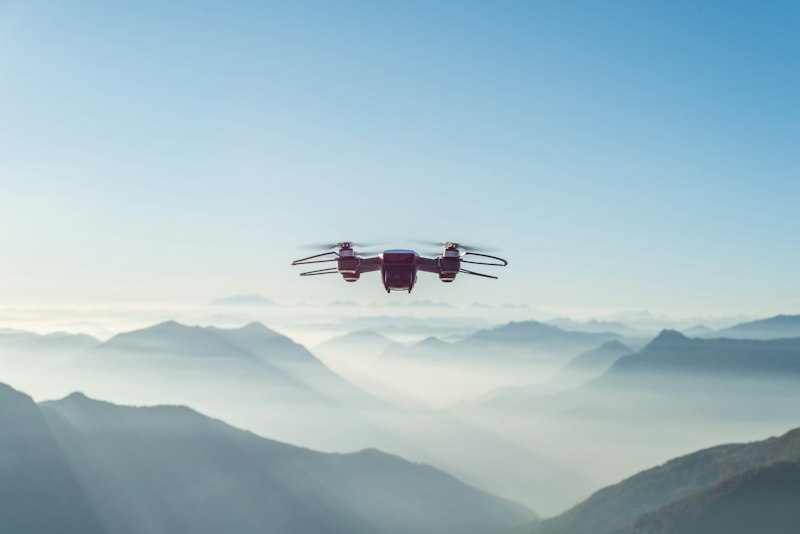
The K1000ULE successfully executed wireless power transmission whilst airborne, allowing continuous station-keeping without recovery cycles. The system combines laser power beaming with onboard rectenna technology to convert directed energy into electrical charge, eliminating conventional landing requirements and associated ground infrastructure demands. The demonstration marks the first validated flight-test of this energy-transfer methodology in operational unmanned aircraft.
The capability redefines mission economics for border security, disaster assessment, and persistent surveillance applications where station time directly correlates to operational value. Extended endurance without ground support reduces sortie turnaround time, minimizes runway and landing-zone requirements, and increases effective coverage hours per airframe. From a regulatory standpoint, the system introduces novel safety considerations including electromagnetic interference, airspace coordination, and directed energy transmission safety standards that civil aviation authorities must address before widespread deployment.
For operators and procurement agencies, the technology compresses operational costs by reducing aircraft quantity requirements for equivalent surveillance coverage whilst lowering infrastructure burden. However, certification pathways remain undefined; regulators must establish safety protocols for directed energy transmission in shared airspace, operator training standards, and interference mitigation before commercial or defence integration proceeds. Early adoption will likely remain confined to controlled airspace and defence applications pending regulatory framework development.